
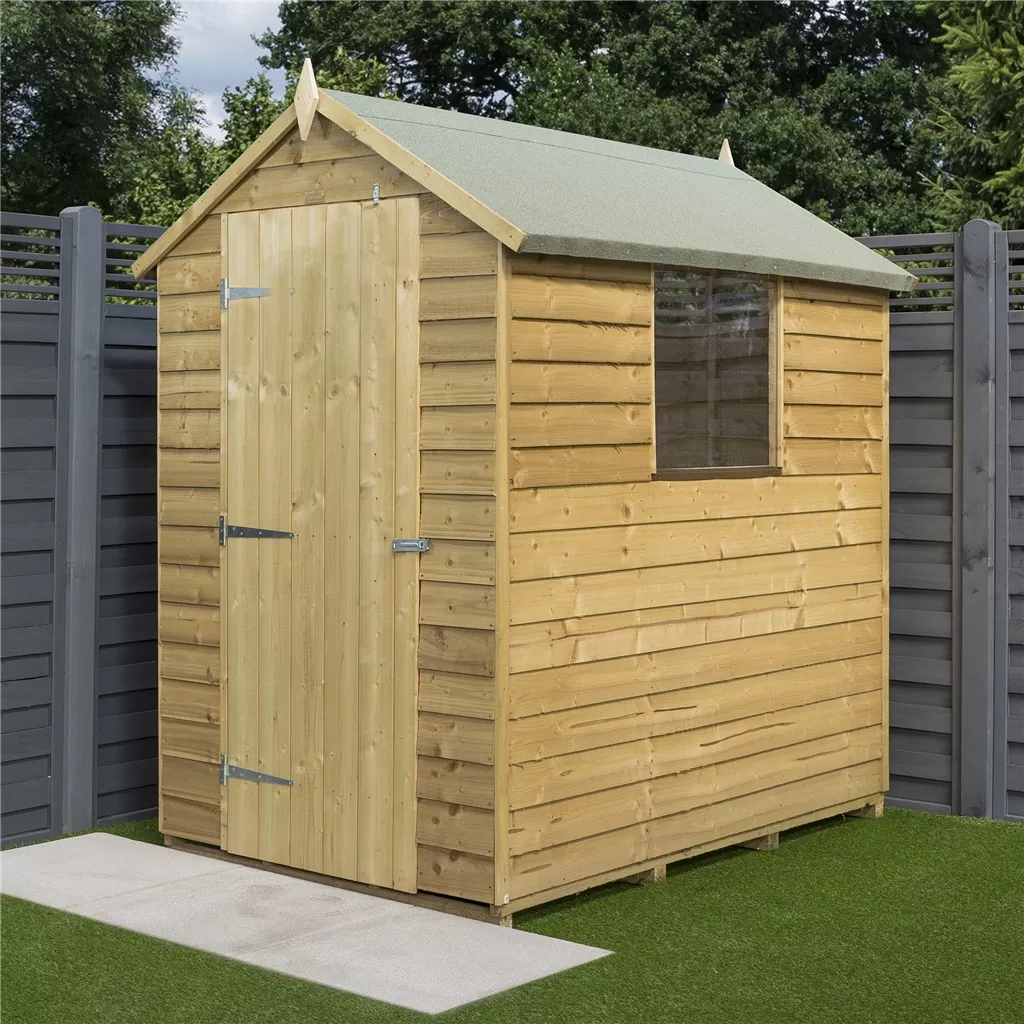
 Save £521.24 · 51%
UK garden buildings made easy
Pressure Treated Sheds in Newark-on-Trent
Newark-on-Trent: practical garden space in East Midlands. ONS built-up-area data places Newark-on-Trent at roughly 39,900 residents in 2019, reflecting its role as an established East Midlands town. The East Midlands includes traditional market-town streets, post-war neighbourhoods and newer estates, with access and base preparation varying from property to property. The ONS town classification describes it as working in character. Think about door position, roof overhang and window placement before committing to a footprint so the building remains practical once installed. If you are comparing pressure treated sheds for a Newark-on-Trent property, Pressure treatment reduces the timber maintenance burden, but drainage and airflow still matter. Keep the base clear of standing water and allow practical access around the building so the timber can dry after wet weather.
Warehouse prices · UK deliveryInstallation availablePressure treated optionsShop by size
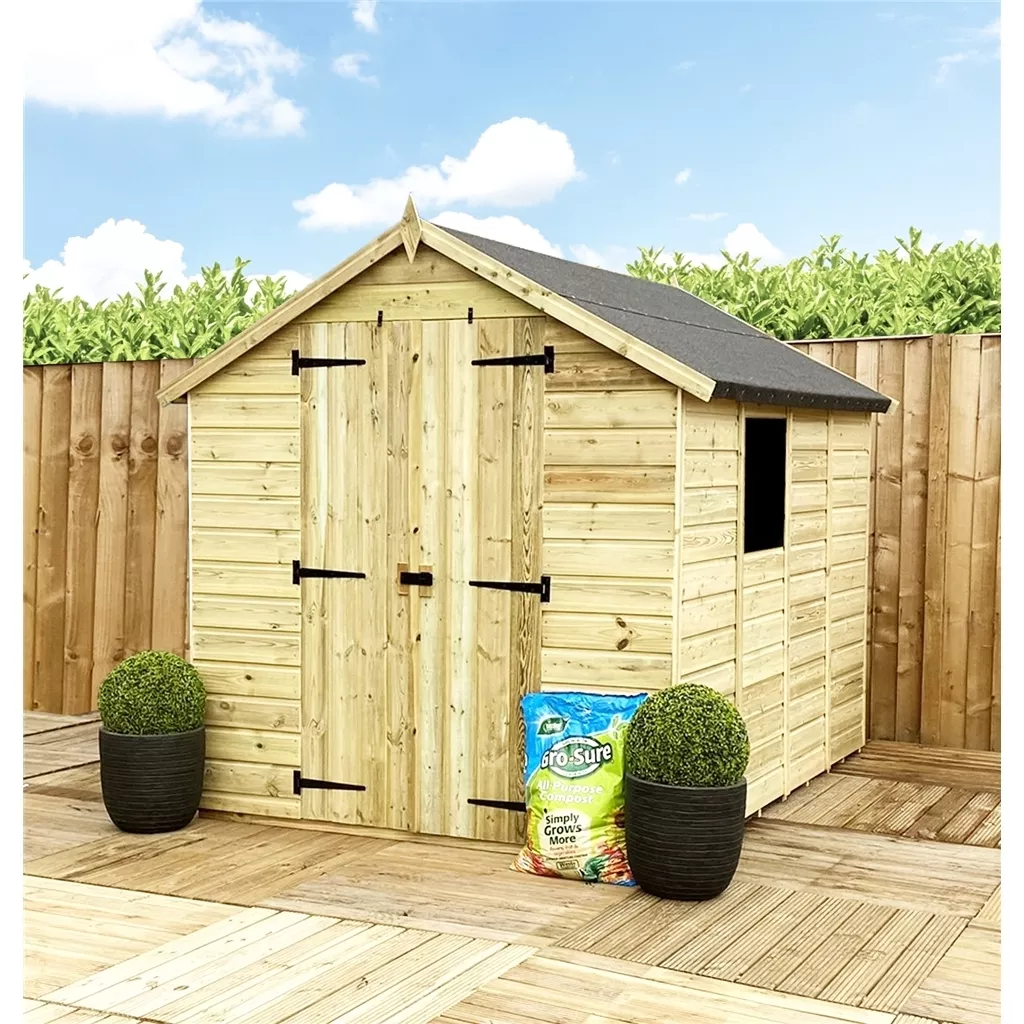
Browse Pressure Treated Sheds in Newark-on-Trent
Selected products from the current Sheds Warehouse catalogue.
Sheds Warehouse · Newark-on-Trent
More garden buildings for Newark-on-Trent
ONS built-up-area data places Newark-on-Trent at roughly 39,900 residents in 2019, reflecting its role as an established East Midlands town. The East Midlands includes traditional market-town streets, post-war neighbourhoods and newer estates, with access and base preparation varying from property to property. The ONS town classification describes it as working in character. Think about door position, roof overhang and window placement before committing to a footprint so the building remains practical once installed.
Save £521.24 · 51%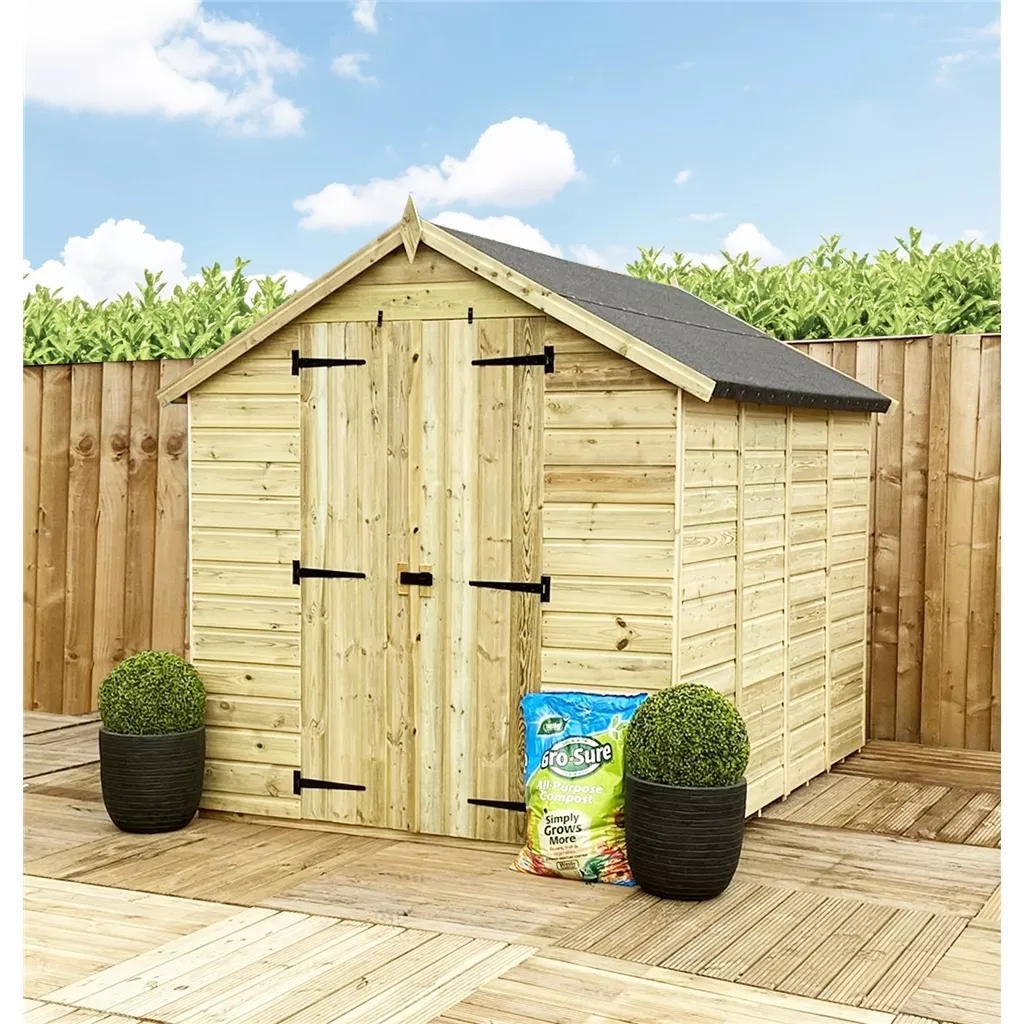 Save £587.44 · 44%
Marlborough
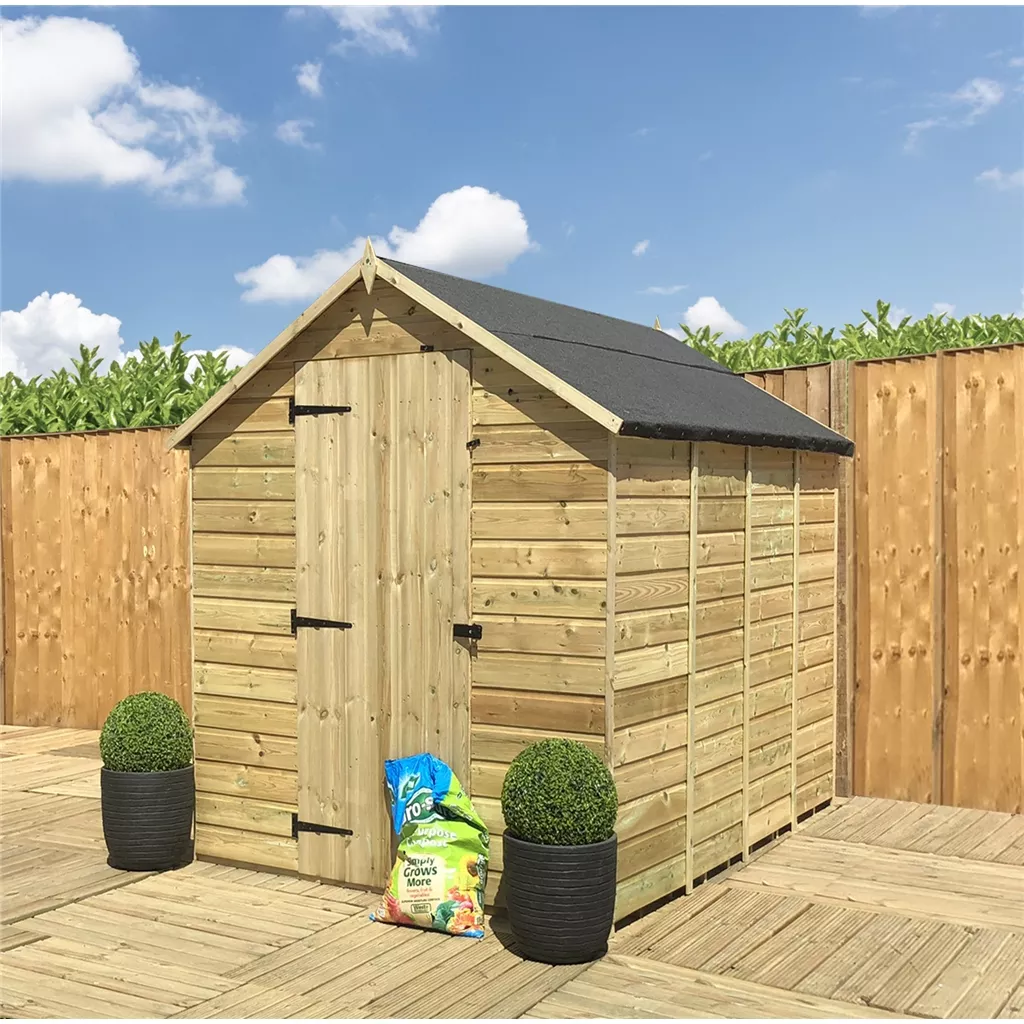
3 x 4 Windowless Pressure Treated T&G Apex Shed + Double Doors + Low Eaves
£734.30 £1,321.74
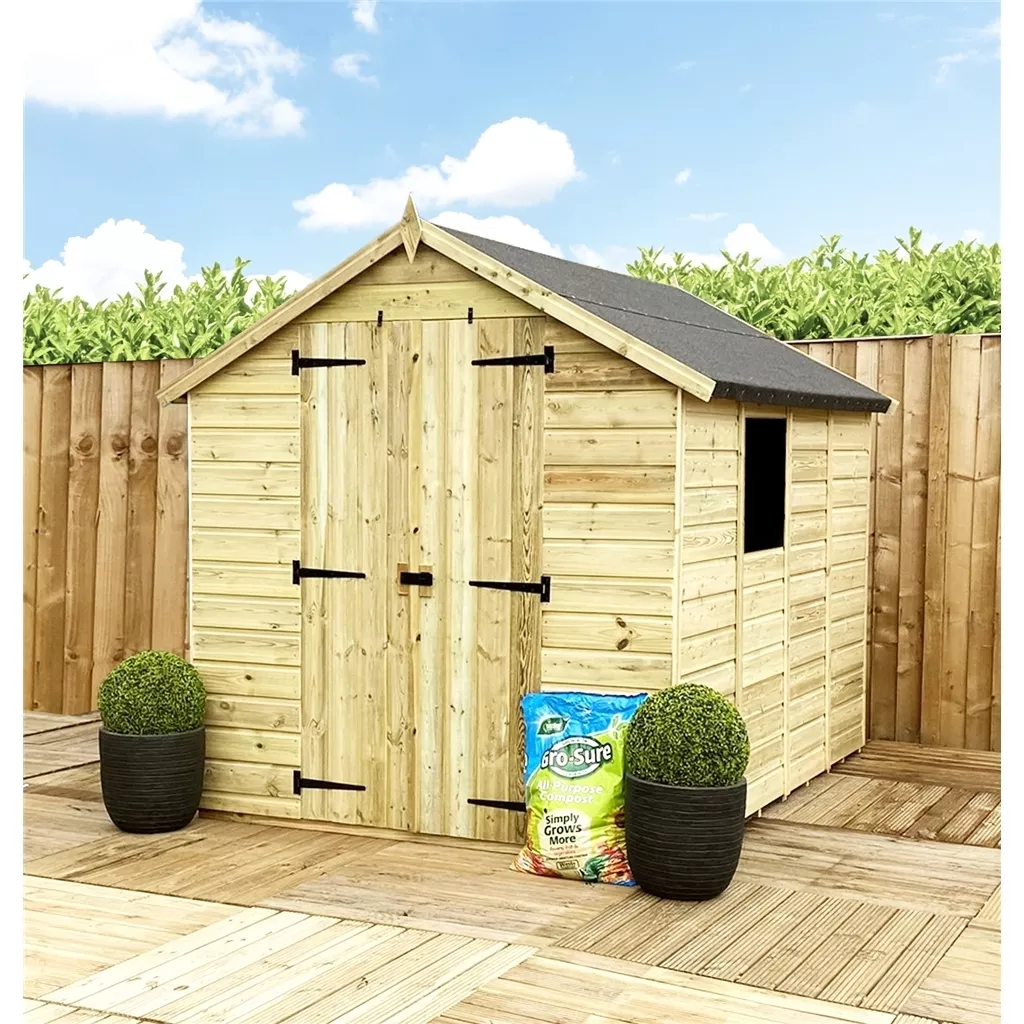 Save £587.44 · 44%
Marlborough
3 x 4 Windowless Pressure Treated T&G Apex Shed + Double Doors + Low Eaves + 1 Window
£734.30 £1,321.74
 Save £587.44 · 44%
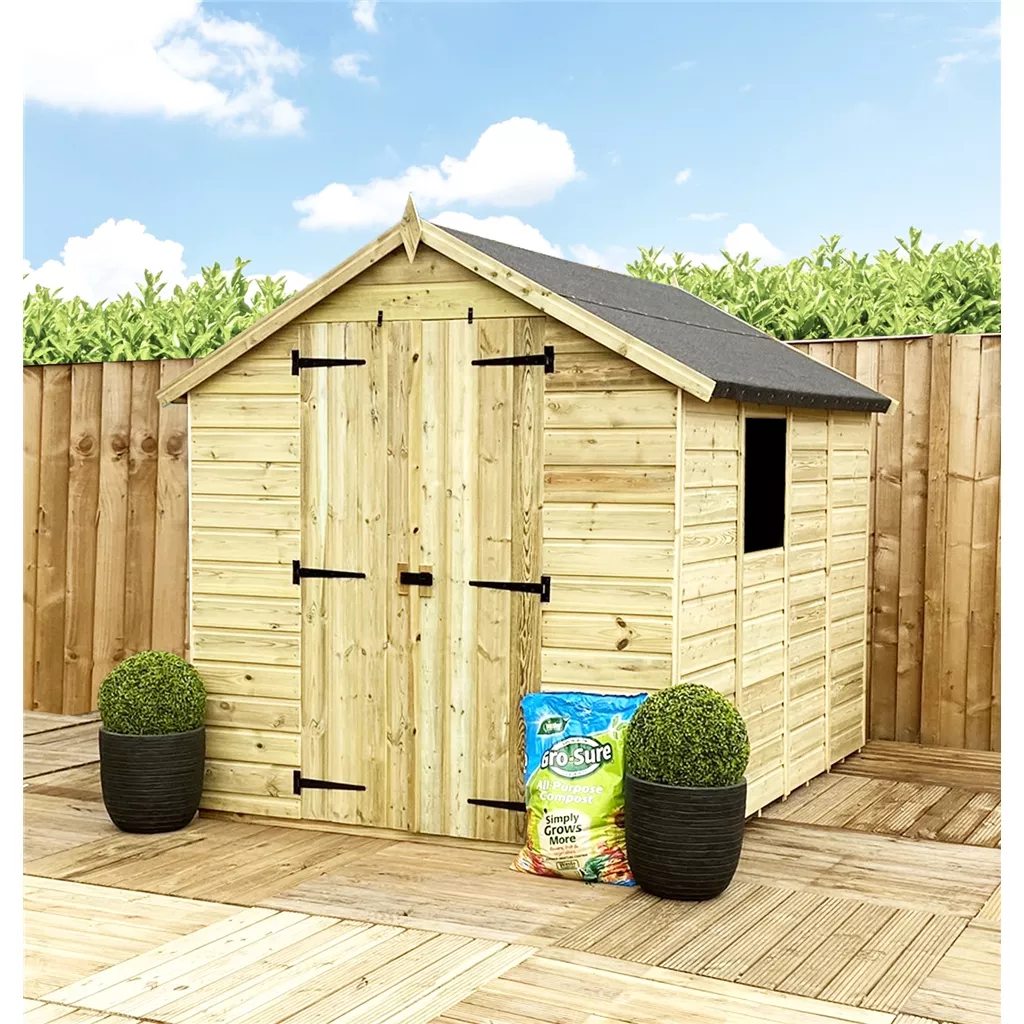 Save £588.86 · 44%
Marlborough
3 x 5 Pressure Treated T&G Double Doors Apex Shed (low Eaves) + 1 Window
£736.07 £1,324.93
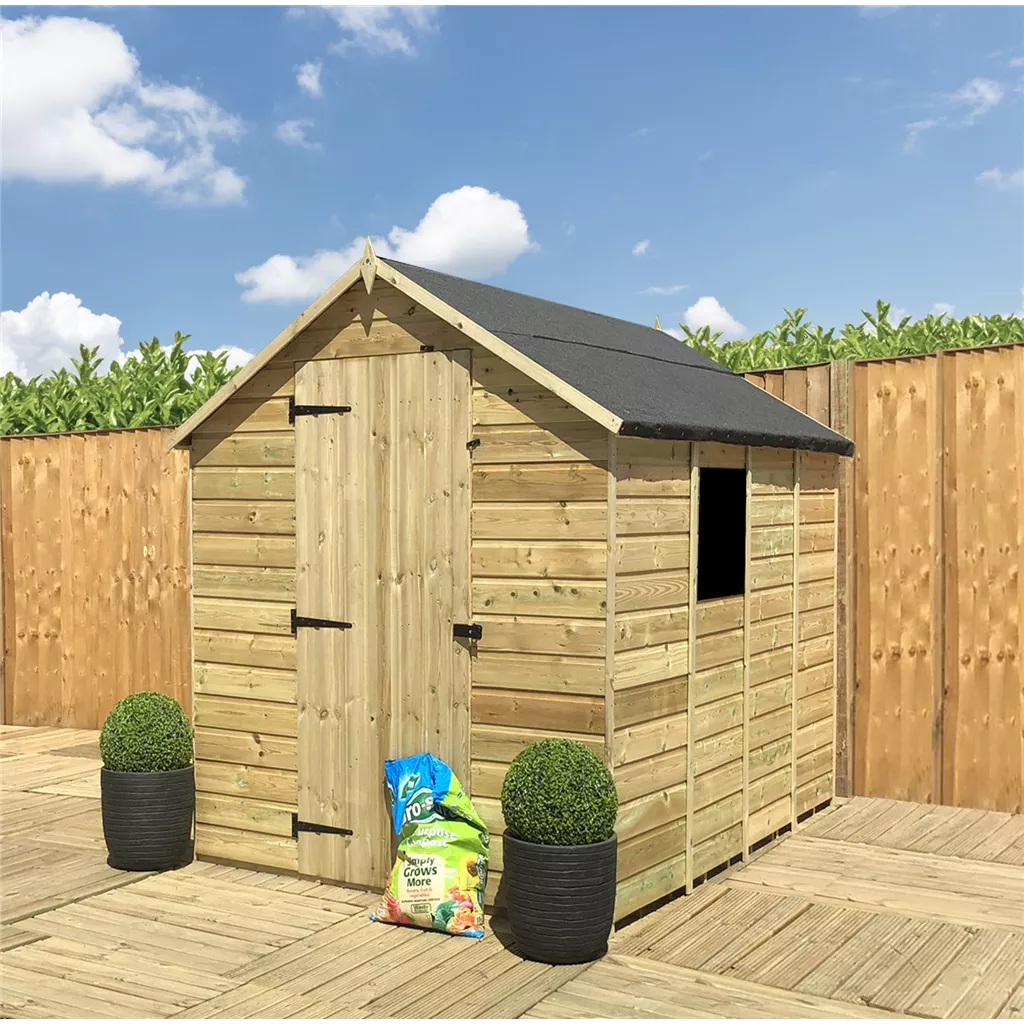 Save £600.83 · 44%
Marlborough
3 x 4 Pressure Treated T&G Apex Shed + Single Door + Low Eaves + 1 Window
£751.04 £1,351.87
Save £623.24 · 44%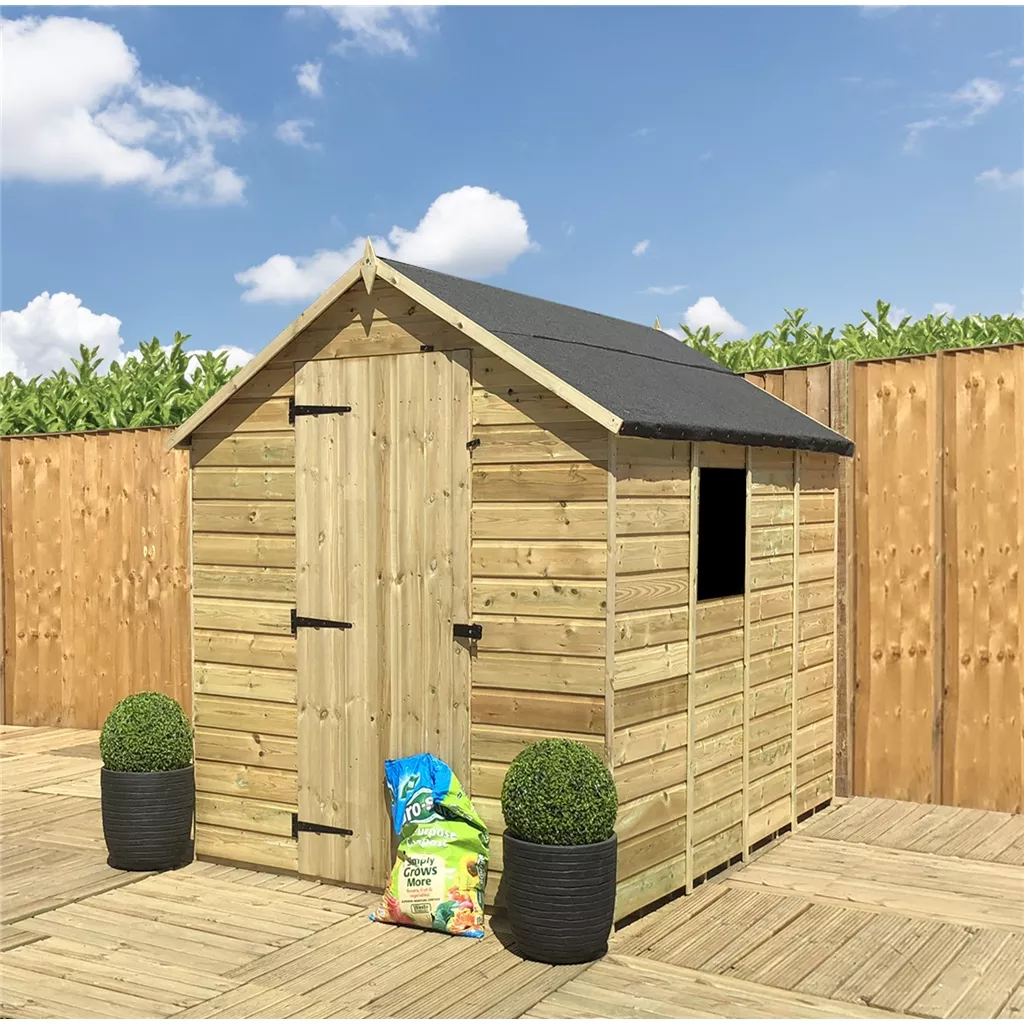 Save £623.24 · 44%
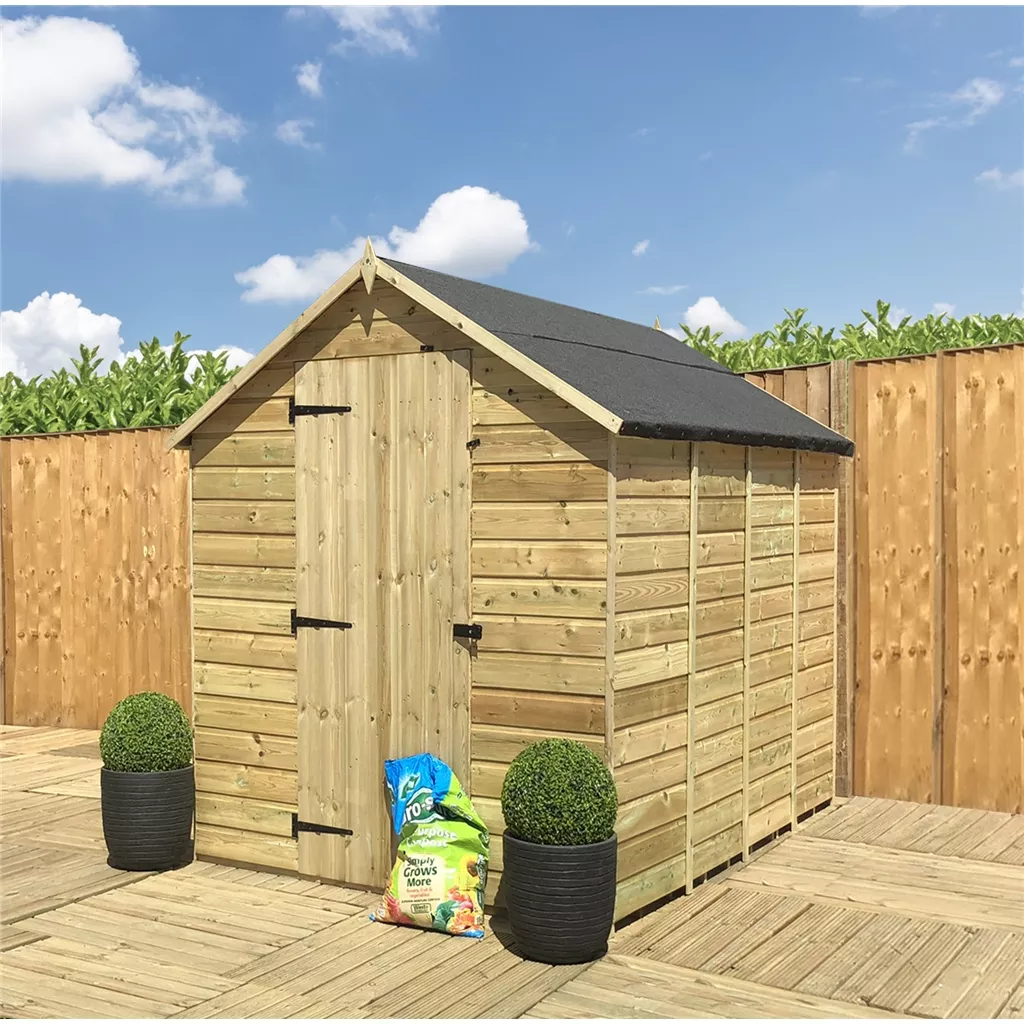 Save £623.24 · 44%
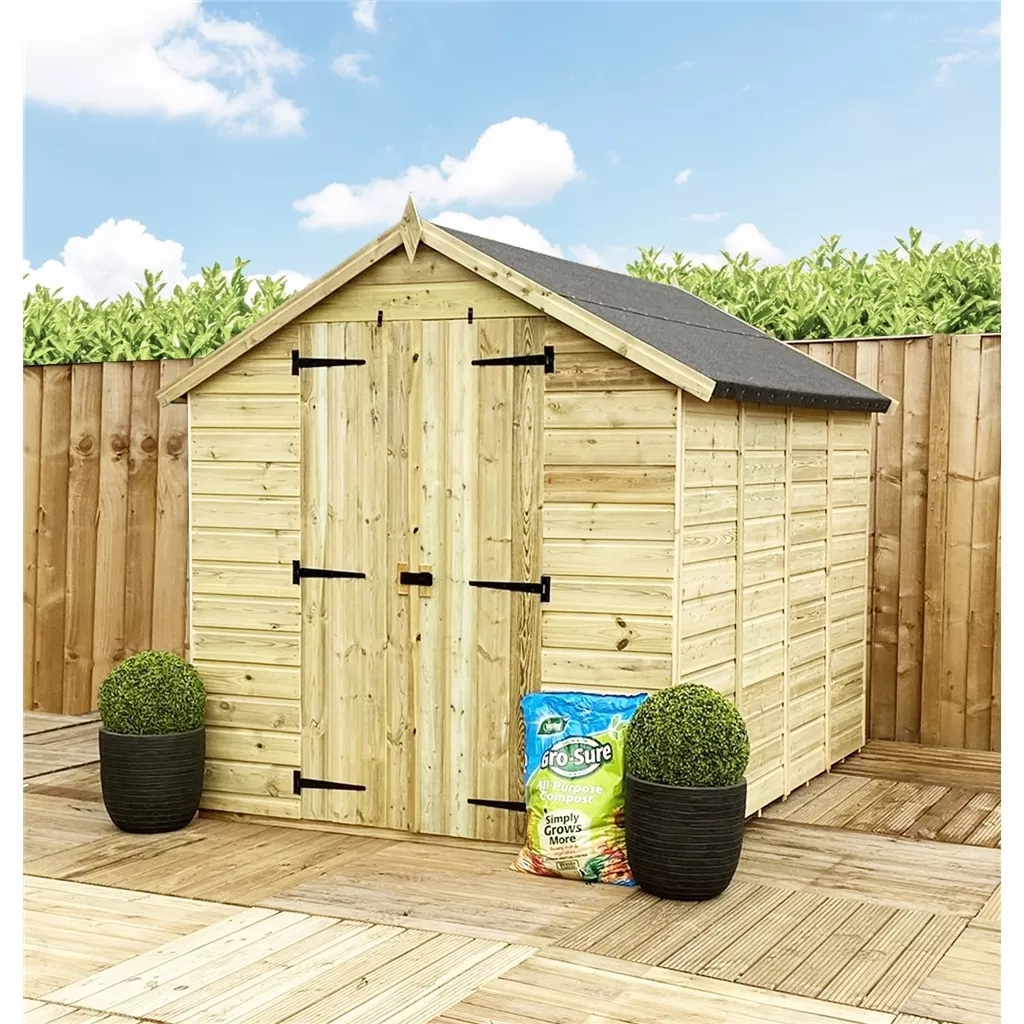 Save £629.04 · 44%
Marlborough
3 x 5 Windowless Pressure Treated T&G Double Doors Apex Shed (low Eaves)
£786.30 £1,415.34
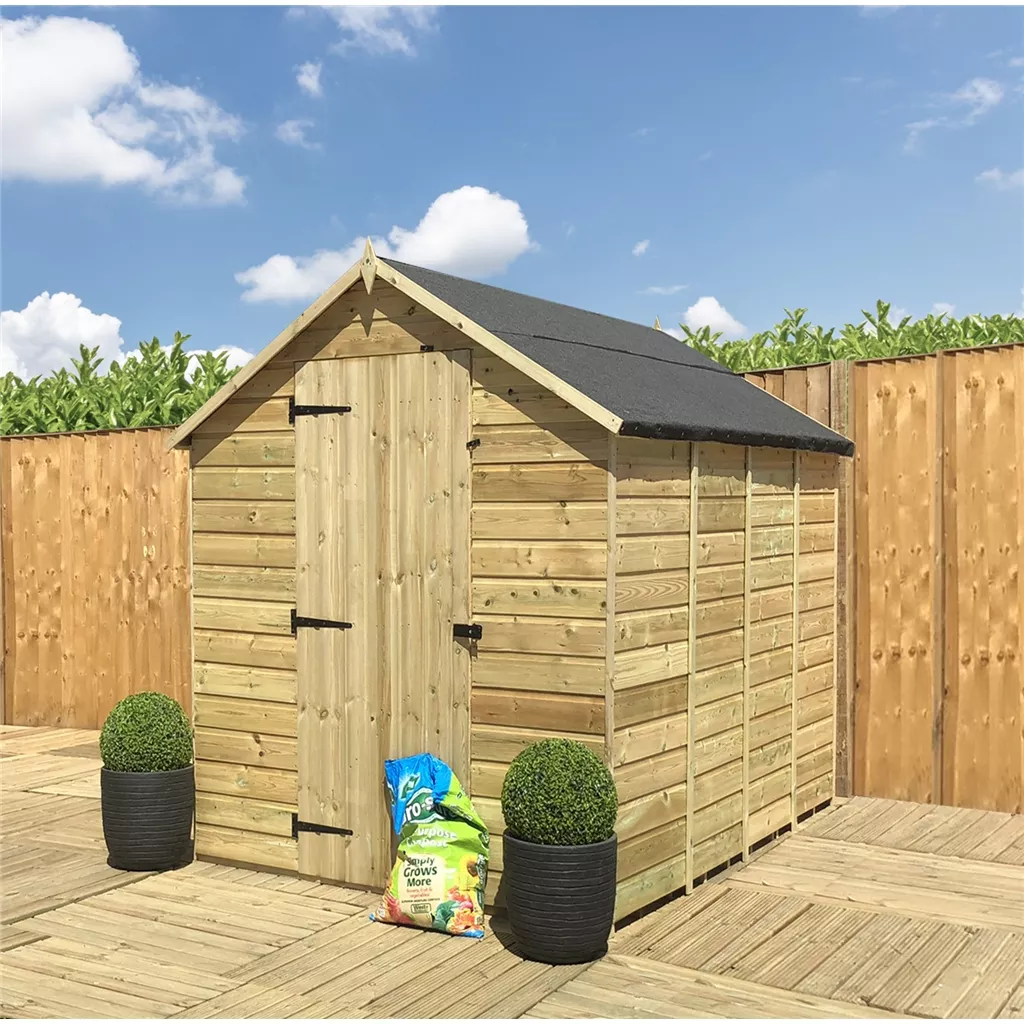 Save £629.04 · 44%
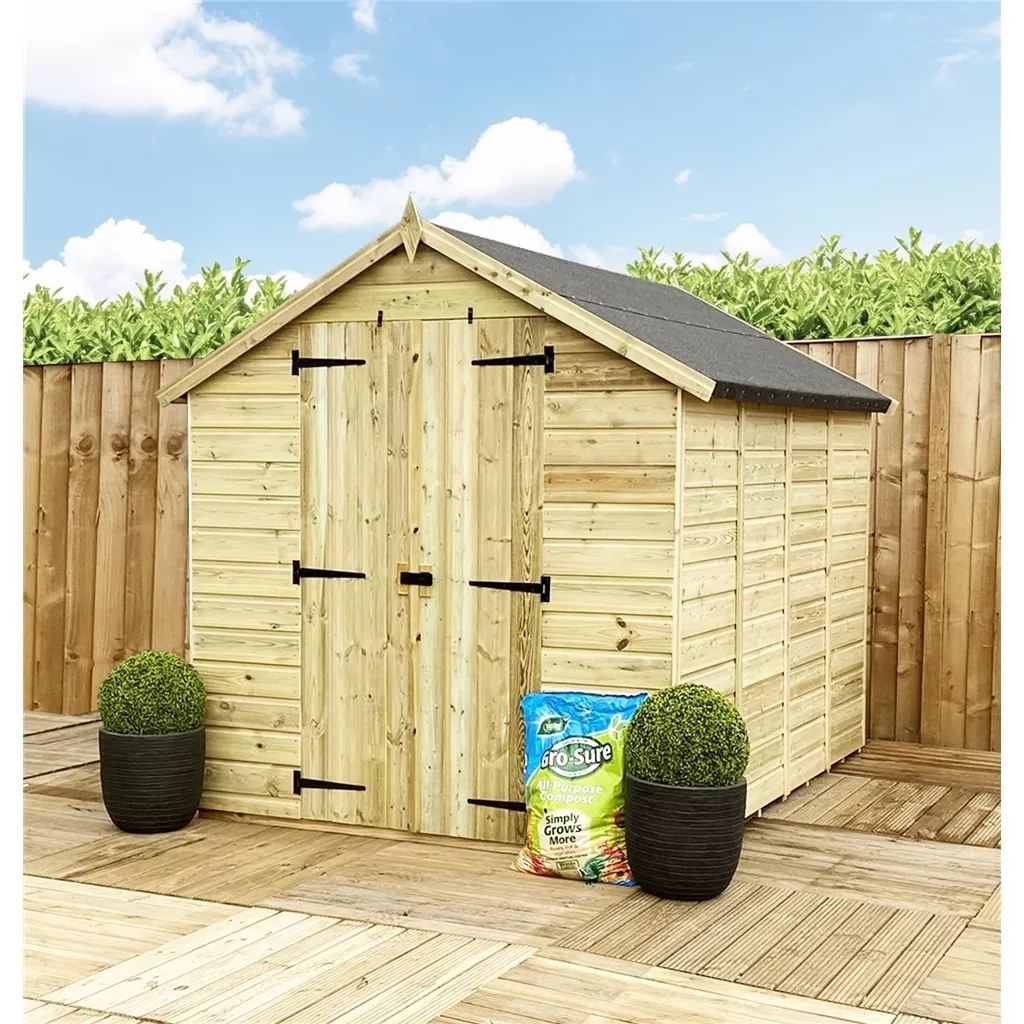 Save £633.33 · 44%
Marlborough
4 x 4 Windowless Pressure Treated T&G Apex Shed + Double Doors + Low Eaves
£791.67 £1,425.00
Loading full range…
Choosing Pressure Treated Sheds in Newark-on-Trent
Pressure treatment helps protect timber over the long term, but the building still needs a level base, sensible ventilation and normal care. Compare wall construction, framing, roofing, doors and guarantees rather than treatment alone. Pressure treatment reduces the timber maintenance burden, but drainage and airflow still matter. Keep the base clear of standing water and allow practical access around the building so the timber can dry after wet weather. For Newark-on-Trent deliveries, the exact postcode, access and any installation requirements are confirmed before the order proceeds.
Delivery, installation and preparation
Delivery options vary by product and postcode. Installation is available on selected garden buildings. Always check the product's base requirements before ordering and make sure there is suitable access to the delivery or installation area.
How do I choose the right size?
Measure the usable garden area and allow space for access, doors, roof overhangs and maintenance. It is usually better to allow some spare internal storage space rather than buying to the exact minimum.
Can installation be arranged?
Installation is available on selected buildings. Availability depends on the product, postcode and base conditions, so our team will confirm the details before the order proceeds.
Do I need a base?
Yes. Every shed or garden building should stand on a firm, level and well-drained base. The base is the foundation underneath the building; it is different from the internal floor supplied with some sheds. Common options include concrete, paving slabs, timber frames and plastic base systems. Shop shed bases →
Are wooden sheds waterproof?
Wooden garden buildings are designed to be weather-resistant rather than completely waterproof. Correct assembly, a level base, a properly fitted roof covering, timber treatment and ventilation all help keep the building dry and performing well. Read our wooden shed care guide →
Do I need planning permission?
Many garden buildings in England can be installed under permitted development rights, subject to height, position and coverage limits. A key rule is that a building within 2 metres of a boundary is generally limited to 2.5 metres overall height. Listed buildings, flats and some restricted or designated properties need extra checks. Read our planning permission guide →